
Understanding the Circular Economy: A Comprehensive Guide
Author: Megan
Introduction
The modern world is grappling with numerous environmental challenges, and the concept of sustainability is taking center stage. Among various sustainable development models, the circular economy is emerging as a beacon of hope and innovation for creating a more sustainable and economically viable future. This comprehensive guide delves into the essence, principles, and potential of the circular economy—an economic system designed to minimize waste and make the most of resources.
The Roots of Circularity
Tracing the origins of the circular economy is pivotal to understanding its appeal and application. Long before industrialization, ancient civilizations practiced forms of recycling and sustainable agriculture that inadvertently embraced circular principles. Modern interest in this economic model was rekindled by the pivotal works of pioneers like Walter Stahel and subsequent influential documents that highlighted the immense benefits of circular frameworks compared to the traditional linear economy.
The Linear Economy: A Brief Overview
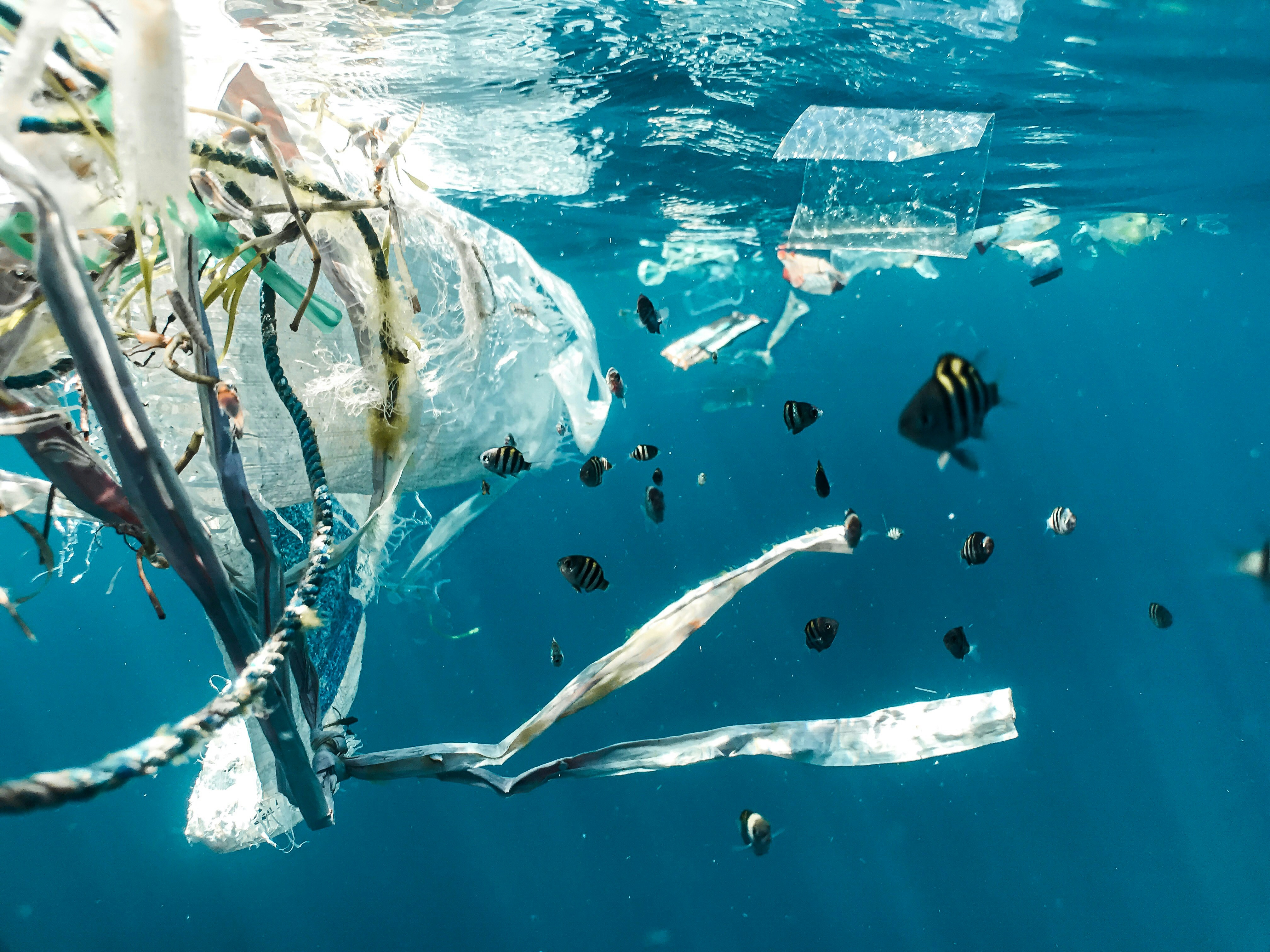
Our traditional economic model—the linear economy—follows a ‘take-make-dispose’ pattern, relying heavily on the extraction of natural resources, production, consumption, and the eventual disposal of waste. This system has driven impressive economic growth but has also led to alarming environmental degradation and resource depletion.
Birth of the Circular Economy Idea
The circular economy, in contrast, seeks to keep resources in use for as long as possible, extract maximum value from them while in use, and regenerate products and materials at the end of each service life. By closing the loop, the circular economy aims to eliminate excess waste and prolong the lifecycle of products, providing a more sustainable path forward.
Core Principles of the Circular Economy
Design for Longevity
Products designed with longer lifespans encourage reuse and repair, reducing waste and need for raw material extraction. This principle focuses on creating durable products that can withstand regular use without frequent breakdowns.
Reuse and Redistribute
Reusing products and redistributing surplus to areas of need prolongs product lifespan and benefits various socioeconomic sectors. Whether through traditional resale markets or modern sharing platforms, this principle fosters a culture of reuse.
Resource Recovery
At the end of its life, a product should be decomposed into its core materials, which can be reclaimed and repurposed into new production processes. This minimizes the demand for raw material extraction and reduces environmental impact.
Eco-friendly Innovations
Innovation lies at the heart of the circular economy. Developing eco-friendly materials and production methods that fulfill consumer needs while being mindful of environmental impacts is critical to circular success.
Benefits and Opportunities
Embracing the circular economy offers numerous advantages that go beyond environmental sustainability. From economic growth to societal well-being, the ripple effects of adopting circular principles are profound.
Economic Growth and Job Creation
The transition to a circular economy could unlock new markets, increase efficiency, and stimulate job creation. By reimagining product lifecycle management, new opportunities arise in recycling industries, product refurbishment, and sustainable product design sectors.
Environmental Conservation
Reducing resource extraction and waste leads to lower emissions, less pollution, and biodiversity preservation. The circular economy is aligned with global environmental goals, including the fight against climate change.
Enhanced Consumer Experience
Products designed for longevity and adaptability improve user satisfaction. Consumers benefit from quality products that provide enhanced value through extended warranties, repair services, and innovative subscription models.
Resource Security
By maximizing the value extracted from available resources, the circular economy mitigates supply chain disruptions and lowers dependency on raw materials. Diverse supply chains promote resilience against geopolitical and environmental risks.
Challenges to Overcome
While the benefits of the circular economy are enticing, transitioning from a linear to a circular system involves complex challenges that need to be addressed through collaboration, innovation, and policy reform.
Structural Barriers
Infrastructural and market reform is necessary to facilitate circular systems. Current supply chains and production systems are heavily linear, requiring substantial restructuring efforts.
Behavioral Change
To embrace circular principles, changes in both consumer and corporate behavior are mandatory. From promoting recycling awareness to incentivizing sustainable consumption, stakeholders must prioritize educational initiatives.
Policy and Regulation
Governments play a crucial role in creating policies that support the circular economy. This includes defining regulatory frameworks, providing tax incentives, and establishing standards that encourage sustainable business practices.
Technological Gaps
Innovation, technology development, and investment in R&D are needed to make circular practices scalable and cost-effective. Bridging the technological gap will enable industries to adopt circular techniques mainstream.
Case Studies: Circular Economy in Action
The Ellen MacArthur Foundation
The Ellen MacArthur Foundation has been instrumental in advancing the circular economy globally. By working with governments, academics, and industries, they have developed frameworks and pilot projects that showcase the potential of circular thinking in diverse sectors.
IKEA’s Circular Strategies
IKEA has committed to becoming a fully circular business by 2030, emphasizing the redesign of its products for reuse, repair, and recycling. Their ‘Furniture as a Service’ initiative exemplifies their commitment to offering customers sustainable solutions.
Amsterdam: A Circular City
Amsterdam aims to become a fully circular city by 2050. With policies emphasizing recycling, sustainability, and circular construction, Amsterdam is a leading example of urban circular economy implementation.
The Future of the Circular Economy
With global resources dwindling and environmental issues escalating, the circular economy represents not just an alternative, but a necessary strategy for safeguarding the future of our planet. Its success requires collective efforts from individuals, governments, and industries alike.
The Role of Innovation
Advancing technological innovation will facilitate the widespread adoption of circular practices. Industries must invest in research and development, focusing on sustainable materials, recycling technologies, and waste management solutions.
Education and Awareness
Building global awareness and understanding of circular economy principles is critical. Educational programs should be integrated across all levels to foster a culture that embraces sustainability as a core value.
Collaboration for a Circular World
Cross-industry collaborations can create synergies that drive circular economy initiatives. By sharing best practices and creating unified goals, stakeholders can exponentially enhance the positive impact of circular models.
Conclusion
The circular economy offers a pathway to sustainable development by redefining how we interact with our environment and resources. By taking proactive steps to embrace circular principles, societies can accelerate progress towards economic resilience, environmental conservation, and enhanced quality of life. As we venture into the future, the circular economy holds the promise of a more balanced and sustainable world.
Leave a Reply