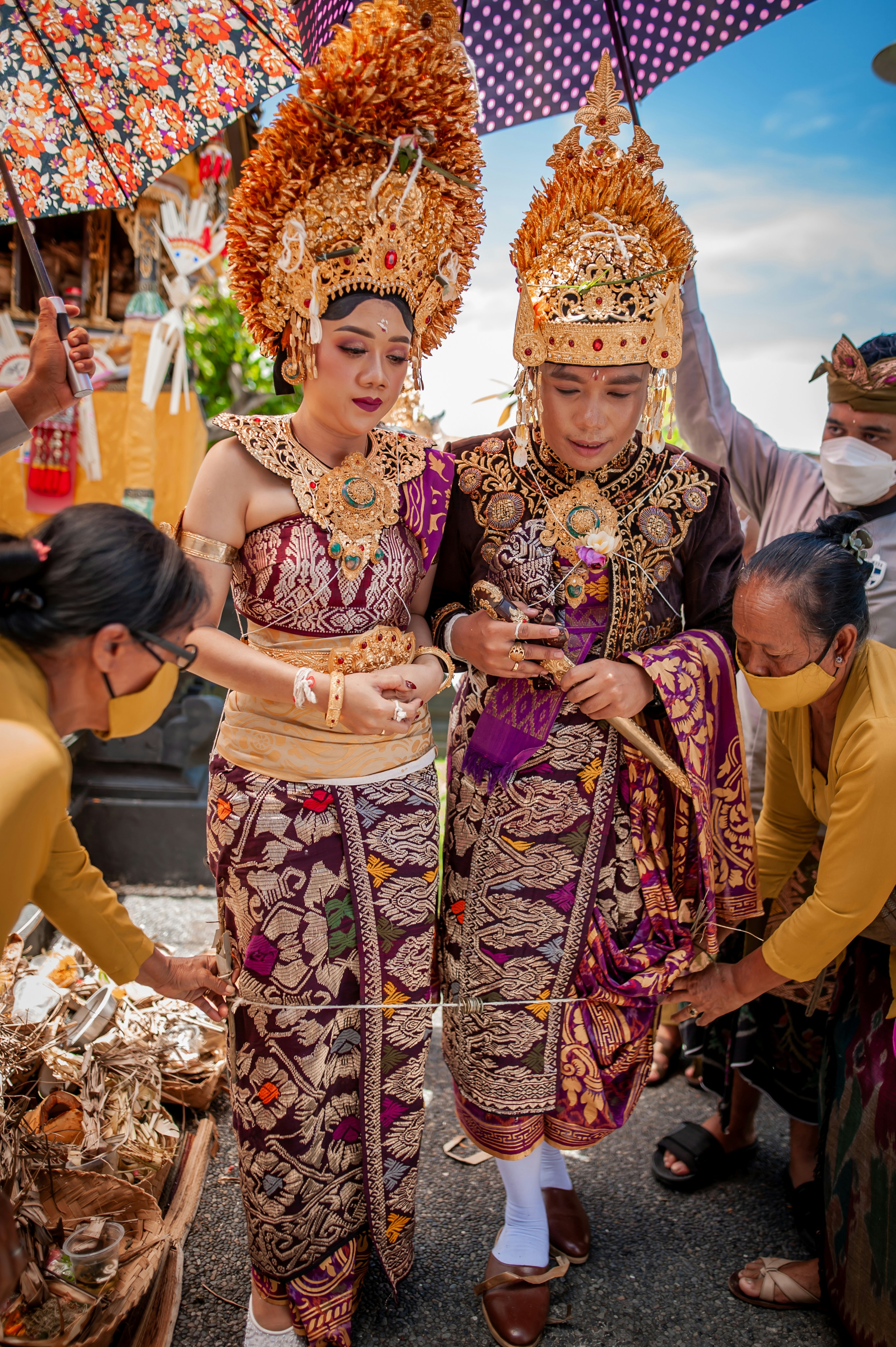
Cultural Exchange Programs: Transforming Student Experiences
Author: Julian
Introduction
Embracing the opportunity to expand one’s horizons, international cultural exchange programs have become pivotal in shaping student experiences worldwide. With a wealth of options available, students can immerse themselves in diverse cultures, gain invaluable skills, and foster global connections. This guide delves into some of the most prestigious and enriching programs available to students today.
Understanding Cultural Exchange Programs
What Are Cultural Exchange Programs?
Cultural exchange programs are initiatives designed to encourage individuals, particularly students, to learn about different cultures through first-hand experiences. These programs typically involve traveling to another country to study, work, or participate in community services while fully immersing themselves in the local culture.
Benefits of Participating in Cultural Exchange Programs
Student cultural exchange programs offer numerous benefits, including improved language skills, enhanced cultural awareness, and personal development. Besides, these programs are beneficial in cultivating empathy, developing social networks, and equipping students with skills to tackle global challenges.
Top Cultural Exchange Programs for Students
1. Fulbright Student Program
The Fulbright Student Program is one of the most prestigious international exchange programs. Sponsored by the U.S. Department of State, it offers students the opportunity to study, research, or teach abroad. The program focuses on promoting mutual understanding through educational and cultural exchange.
Key Highlights:
- Available in over 140 countries.
- Open to undergraduate, graduate, and recent graduates.
- Offers various grants, including study, research, and English Teaching Assistantship (ETA).
2. Erasmus+ Program
The Erasmus+ program is a European Union initiative that supports education, training, youth, and sports. It provides opportunities for students to study or undertake internships in different European countries, enhancing learning experiences and promoting intercultural skills.
Key Highlights:
- Focus on European countries with partnerships worldwide.
- Combines education with work placements for holistic development.
- Offers scholarships and grants to support students financially.
3. AFS Intercultural Programs
AFS Intercultural Programs offer various opportunities for intercultural learning experiences, focusing on high school students. These programs facilitate yearlong exchanges, where participants live with host families and attend local schools.
Key Highlights:
- Programs available in over 60 countries.
- Focus on high school students for early exposure to global cultures.
- Emphasis on volunteering and leadership skills development.
4. Rotary Youth Exchange
Rotary Youth Exchange programs are known for fostering international friendships and understanding. Primarily targeted at young students, these programs promote cultural sharing by placing students with host families and involving them in local community activities.
Key Highlights:
- Programs available in over 100 countries.
- Focuses on high school students aged 15-19.
- Includes long-term and short-term exchange options.
5. Global Citizen Year
Global Citizen Year is an immersive gap year program that places students in developing countries. Participants engage in community projects, attend workshops, and receive training to become effective global leaders. This program is ideal for students seeking to take a gap year before or during college.
Key Highlights:
- Unique focus on low-income countries.
- Emphasis on service learning and cultural immersion.
- Offers a fellowship program with training and mentorship.
Understanding the Selection Process
Application Requirements
Application requirements for cultural exchange programs vary but typically include a demonstration of academic achievements, references, essays, and sometimes an interview. Highlighting cultural adaptability and your motivation for participating can strengthen your application.
Selection Criteria
Many programs have rigorous selection criteria that assess academic performance, language proficiency, leadership skills, and potential to be a cultural ambassador. Programs aim to choose candidates who exhibit a genuine desire to promote intercultural understanding and personal growth.
Challenges and How to Overcome Them
Cultural Adjustment
Adapting to a new cultural environment can be challenging for many students. Understanding cultural nuances and maintaining an open mind can aid in overcoming cultural shock. Engaging with host families and local communities helps smooth the transition.
Language Barriers
While language barriers are common, they offer a great opportunity for improvement. Preparing by attending language classes and using language learning apps can be beneficial. Practice with native speakers can also enhance language skills significantly.
How to Choose the Right Program
Evaluating Interests and Goals
Identifying personal interests and aligning them with a program’s objectives is crucial. Whether it’s improving language skills, gaining work experience, or embracing a new culture entirely, choose a program that aligns with personal aspirations for more meaningful experiences.
Research and Recommendations
Comprehensive research and seeking recommendations from alumni or educational counselors can be enlightening. Online forums and official program websites often provide detailed insights into specific programs, enhancing decision-making.
Conclusion
Choosing the right cultural exchange program can open doors to countless opportunities and experiences that significantly impact personal growth. Each program offers unique advantages, tailored to different interests and career paths. Students are encouraged to explore these exceptional programs and embark on a transformative journey of cultural exploration and self-discovery.




Leave a Reply