by Dr Kelvin | October 3, 2023
Introduction to Simple Biology Experiments
Biology is a branch of science that explores the intricacies of life and living organisms. For students and aspiring scientists, exploring the tangible applications of biology through experimentation becomes a delightful learning opportunity. This article outlines several easy biology experiment ideas that can be conducted in classrooms or at home using everyday materials.
These experiments explore fundamental biology concepts, from plant growth to microbial activity. Not only are these projects educational, but they also inspire curiosity and deepen understanding of the biological world.
Why Simple Biology Experiments Matter
Simple biology experiments play a crucial role in education by offering hands-on experience. They allow students to observe biological processes, form hypotheses, and understand the scientific method. Engaging in these experiments can spark a lifelong interest in science and encourage critical thinking.
Moreover, they promote problem-solving and analytical skills, contributing to educational development. Working on real-life projects fosters creativity and can help students apply theoretical knowledge to practical situations.
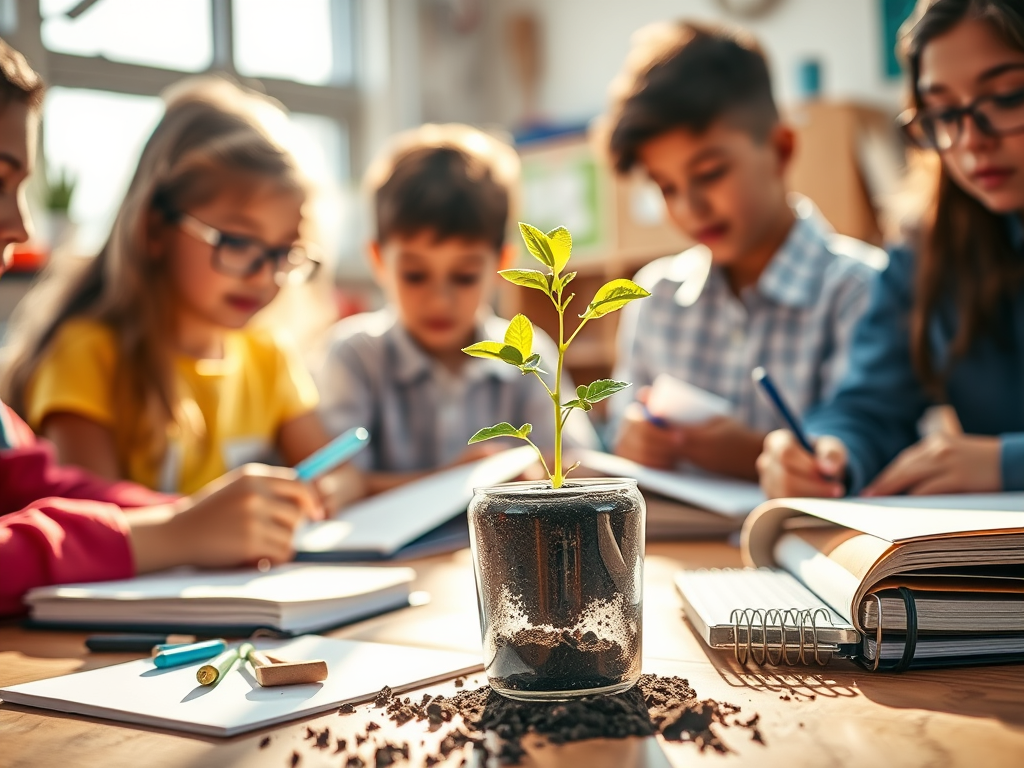
Experiment 1: Observing Plant Growth
Materials Needed
- Small pots
- Soil
- Seeds (e.g., beans, peas, or sunflower)
- Water
- Notebook for observations
Procedure
- Fill the pots with soil.
- Plant the seeds 1-2 inches deep into the soil.
- Water the soil gently and place the pots near a window or under a light source.
- Over several days, water the plants regularly.
- Record daily observations on the growth progress in the notebook.
Scientific Concepts
This experiment illustrates the germination process and factors affecting plant growth such as sunlight, water, and soil type. Students gain insights into photosynthesis and plant biology, observing firsthand how environmental changes can affect growth rates.
Experiment 2: Investigating Microbial Growth
Materials Needed
- Sterile petri dishes
- Agar
- Cotton swabs
- Water
- Notebook for observations
Procedure
- Prepare the petri dishes with agar according to the package instructions.
- Using a cotton swab, collect samples from various surfaces like desks, doorknobs, or leaves.
- Gently spread the samples over the surface of the agar in different petri dishes.
- Seal the dishes and store them in a warm, dark place for several days.
- Observe the colonies that form and record your findings daily.
Scientific Concepts
This project provides an understanding of microbiology basics by illustrating how bacteria and fungi grow. It helps students learn about different types of microbes, their environments, and the importance of sanitation.
Experiment 3: Exploring Photosynthesis with Leaf Chromatography
Materials Needed
- Coffee filters or chromatography paper
- Fresh green leaves
- Rubbing alcohol
- Glass jars
- Coin or spoon
- Notebook for observations
Procedure
- Cut the leaves into small pieces and place them into a jar.
- Add enough rubbing alcohol to cover the leaves and mash them using a spoon or coin.
- Cut a strip of chromatography paper and place one end into the jar, allowing it to absorb the alcohol-leaf mixture.
- After some time, observe the separated pigments on the paper stripe and record your observations.
Scientific Concepts
This experiment demonstrates photosynthesis by separating and identifying different pigments present in leaves, including chlorophyll. Students discover the variety of pigments involved in capturing light energy.
Experiment 4: The Effect of Temperature on Yeast Fermentation
Materials Needed
- Dry yeast
- Sugar
- Warm and cold water (at different temperatures)
- Balloons
- Glass bottles or flasks
- Notebook for observations
Procedure
- Add dry yeast and sugar into different bottles.
- Pour warm water into one bottle and cold into another.
- Stretch a balloon over the neck of each bottle and observe for several hours.
- Note how the temperature affects yeast activity by observing differences in balloon inflation.
Scientific Concepts
Yeast is a living organism used in fermentation, and this experiment helps demonstrate how temperature affects metabolic rates and CO2 production. This project provides insights into cellular respiration and the optimal conditions for enzyme activity.
Conclusion
These easy biology experiments offer a fascinating glimpse into the world of biology for students and hobbyists alike. They are designed to be accessible and demonstrate important biological concepts in a hands-on and engaging manner.
By conducting these experiments, individuals learn to apply theoretical knowledge in real-world scenarios, sparking curiosity and reinforcing their understanding of biological processes.




Leave a Reply